

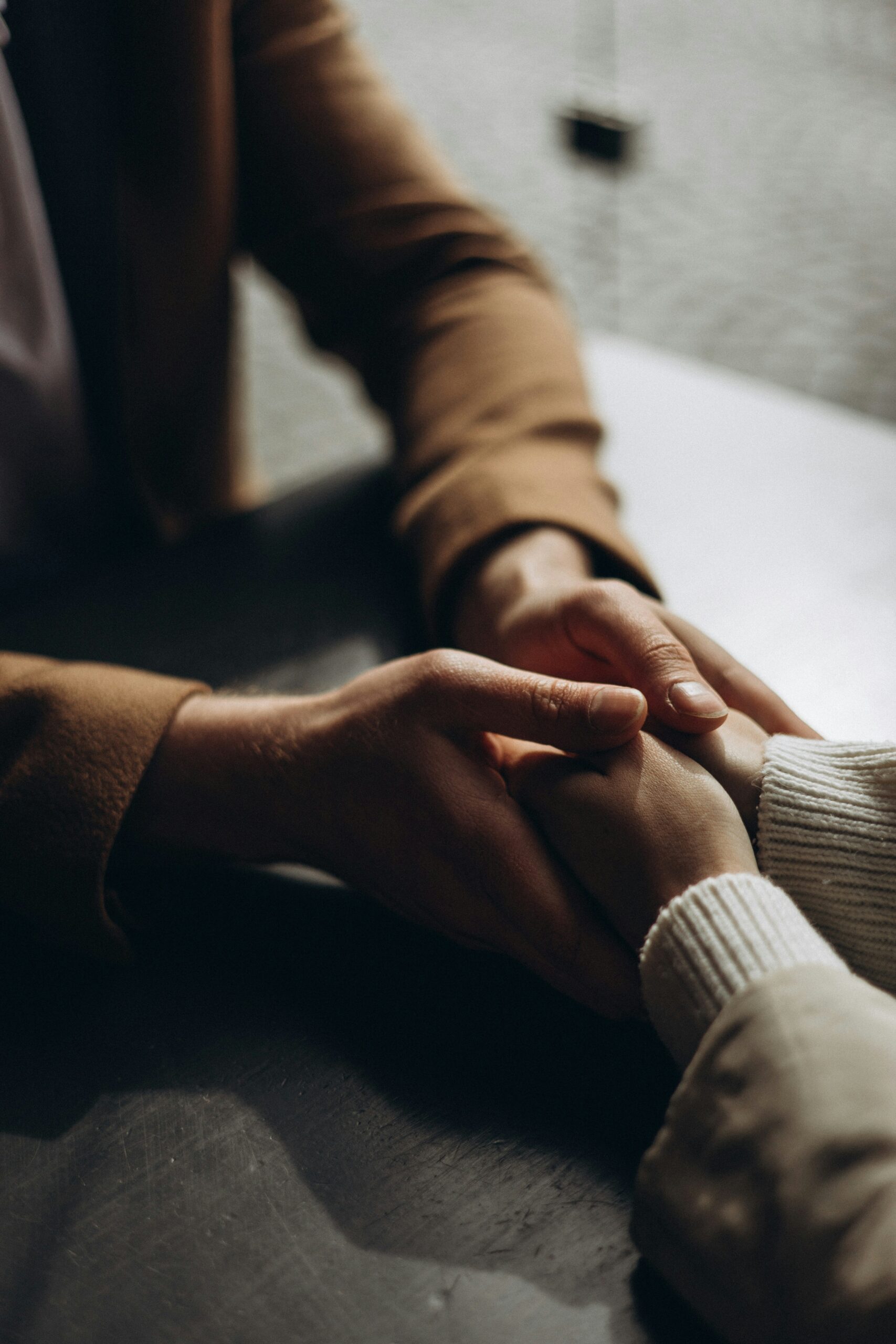

Healing from trauma doesn’t mean you have to put your romantic life on hold forever. But there’s a difference between being “healed enough” and being ready. Understanding that difference, and knowing what safeguards to put in place, is what separates healing relationships from retraumatizing ones.
The Myth of Being “Healed Enough”
If you’ve experienced trauma—especially sexual trauma—you’ve probably heard some version of this: “Don’t date until you’re completely healed.” The message is clear: healing is a prerequisite to relationships. Until you’ve worked through everything, you’re not ready. You’ll just damage someone else. You’ll make bad choices. You’ll replicate your trauma patterns.
So you wait. You do the therapy. You journal. You pray. You read the books. And somehow, “healed enough” never arrives. Because here’s the truth: you don’t get completely healed in isolation. Some of the deepest healing happens in the context of safe, honest, healthy relationships where someone sees you and chooses you anyway.
This doesn’t mean you should date while actively destabilized by trauma. But it does mean that waiting for a hypothetical “fully healed” version of yourself before opening your heart might actually delay your healing. The question isn’t “Am I completely healed?” The question is “Am I ready to be in a relationship where my trauma might surface, and do I have support and boundaries to handle that safely?”
What Readiness Actually Looks Like
There are a few concrete markers that suggest you’re ready to date while still healing. The first is this: Can you talk about your trauma? Not with graphic detail. Not in a way that requires the other person to be your therapist. But can you say, “I experienced sexual abuse, and sometimes that affects my comfort with physical intimacy” or “I have abandonment wounds that sometimes come up when my partner is busy”? If you can name it without shame spiraling you, that’s a good sign.
Why? Because when you can’t talk about your trauma, it talks through your behavior. You become reactive without understanding why. You push people away or cling too desperately. You have flashbacks you can’t explain. You create distance between you and your partner without understanding the boundary you’re setting or why. Being able to articulate what’s happening is what allows your partner to support you instead of being confused or hurt by your reactions.
The second marker is this: You understand your triggers and what helps. Do you know what situations, conversations, or physical sensations might activate your trauma? Do you know what kind of support you need when that happens? A hug? Space? Reassurance? A specific conversation? If someone you’re dating does something triggering, can you name it and ask for what you need, or do you just withdraw and expect them to read your mind?
When you understand your own nervous system, you can ask for help instead of making your partner responsible for managing your healing. “When you do this, it triggers me, and I need you to…” is very different from avoiding intimacy and expecting them to figure out why.
The third marker is this: You’re not looking for someone to fix you.** Healing comes from God, from professional support, from community, and from your own willingness to do the work. A partner cannot be your healer. If you’re dating in order to escape your own trauma work or because you believe the right person will make the pain go away, you’re not ready. You’ll burn through relationships because no one can meet that impossible expectation.
Physical Boundaries as Healing Safeguards
When you’re dating while healing from trauma, physical boundaries aren’t restrictive—they’re protective. They’re the framework that keeps you safe while you’re vulnerable. They’re also the framework that allows actual intimacy to develop instead of physical overwhelm recreating your trauma.
For someone healing from sexual trauma, this might mean slowing down physical progression significantly. It might mean keeping clothes on for weeks or months. It might mean having specific conversations before you move into new levels of physical affection. It might mean saying no to things that feel uncomfortable, even if you “should” be okay with them by now.
This requires a partner who respects those boundaries without making you feel broken or rejecting. If someone pushes physical boundaries or makes you feel guilty for needing them, that’s a red flag that they’re not safe for you to be vulnerable with. Period. A truly safe person will be willing to move at your pace because they care more about your healing and wholeness than about their own timeline.
Boundaries also protect against what’s sometimes called “compulsive reenactment”—where trauma survivors unconsciously recreate scenarios similar to their trauma. A person you’re dating who respects your boundaries helps interrupt that pattern by showing you that physical intimacy can be safe, consensual, and free from coercion. That’s genuinely healing.
What to Look For in a Partner When You’re Healing
If you’re going to date while healing, you need a partner who has some emotional intelligence and willingness to learn. Not perfection. Not someone who never triggers you or says the wrong thing. But someone who, when you name a need or boundary, takes it seriously and adjusts.
Look for someone who can listen to your story without trying to fix it or minimize it. Someone who doesn’t make you feel broken or ashamed for having trauma. Someone who understands that your triggers aren’t rejections of them—they’re protective mechanisms that your nervous system developed to keep you alive. A partner who can hold all of that with grace is someone worth dating.
Also look for someone who has done their own work. Not someone who’s perfectly healed—nobody is—but someone who’s self-aware enough to recognize their own wounds and patterns. Someone who’s not looking to you to fill a void in their own healing. Someone who can manage their own emotions without needing you to regulate them.
And critically: someone who won’t use your trauma against you. Someone who, when you’re struggling, responds with compassion instead of frustration. Someone who understands that healing is nonlinear and some days will be harder than others.
When to Pause and Reassess
Dating while healing requires honesty with yourself. If you notice that you’re in a relationship and your trauma is getting worse—you’re having more flashbacks, you’re feeling more shame, you’re isolating more, you’re self-harming more—that’s a signal. Not that dating while healing is wrong, but that this specific relationship might not be safe for your healing right now. That’s important information.
Similarly, if you’re constantly accommodating your partner’s boundaries at the expense of your own, or if you’re staying in a relationship because you’re afraid of being alone, those are red flags. Healing happens in safe relationships. If a relationship is activating more pain than it’s creating space for healing, it might be time to pause.
This doesn’t make you a failure. It makes you honest. And honesty is what allows real healing to happen.
Every week, we break down the conversations the church avoids.
Get them straight to your inbox.
🎧 Listen to the Full Episode
In “Am I Actually Ready for a Relationship?” the full Moral Revolution team—Daniel, Elles, Erin, Ingram, and Sam—tackles this question head-on. They discuss whether you can date while healing from trauma, how to know when you’re ready, and what safeguards actually work. The conversation is honest, practical, and addresses the real struggles of people trying to navigate relationships while processing their past.
🎵 Listen on Spotify | 🎙️ Listen on Apple Podcasts
Related Reading
- 3 Signs You’re Ready for a Relationship (And It’s Not About Your Age)
- Stop Waiting to Be ‘Healed Enough’ to Start Dating
- 6 Red Flags of a Toxic Relationship (And How to Spot Them Early)
Frequently Asked Questions
How long should I wait after trauma before I start dating?
There’s no magic timeline. Some people need weeks of initial stabilization. Others need years of therapy before they’re ready to be vulnerable with someone. The key is readiness, not time. Can you name your trauma without shame spiraling? Can you recognize your triggers? Can you ask for help? Those are better indicators than any calendar. Some people date too early and traumatize themselves further. Some people wait years longer than they needed to because they were waiting for “healed enough” that never comes. Get a good therapist and check in regularly with that marker: “Am I more stable and self-aware than I was?” If yes, you might be ready.
What if my trauma comes up while I’m dating? Does that mean I’m not ready?
Not necessarily. Your trauma coming up is actually part of healing—it means you’re in a safe enough space for your nervous system to process what happened. What matters is how you handle it. Can you tell your partner what’s happening? Can you work with a therapist to process it? Does your partner support you through it? If yes to those things, you’re exactly where you need to be. Trauma processing looks messy sometimes. That doesn’t mean the relationship is wrong.
How do I know if I’m avoiding dating because I genuinely need more healing, or because I’m afraid?
Fear is normal when you’ve been hurt. But there’s a difference between healthy caution and avoidance rooted in shame. Healthy caution sounds like: “I want to date, but I want to be intentional about who I date.” Avoidance rooted in shame sounds like: “I’m too broken. No one would want me anyway.” One is protective; one is self-defeating. Journal about it. Talk to a therapist about it. The answer isn’t always to push yourself into dating, but it’s also not healthy to indefinitely hide. Listen to your gut, but make sure that gut feeling isn’t actually internalized shame.
